Eisteddfod y Garreg Las 2026
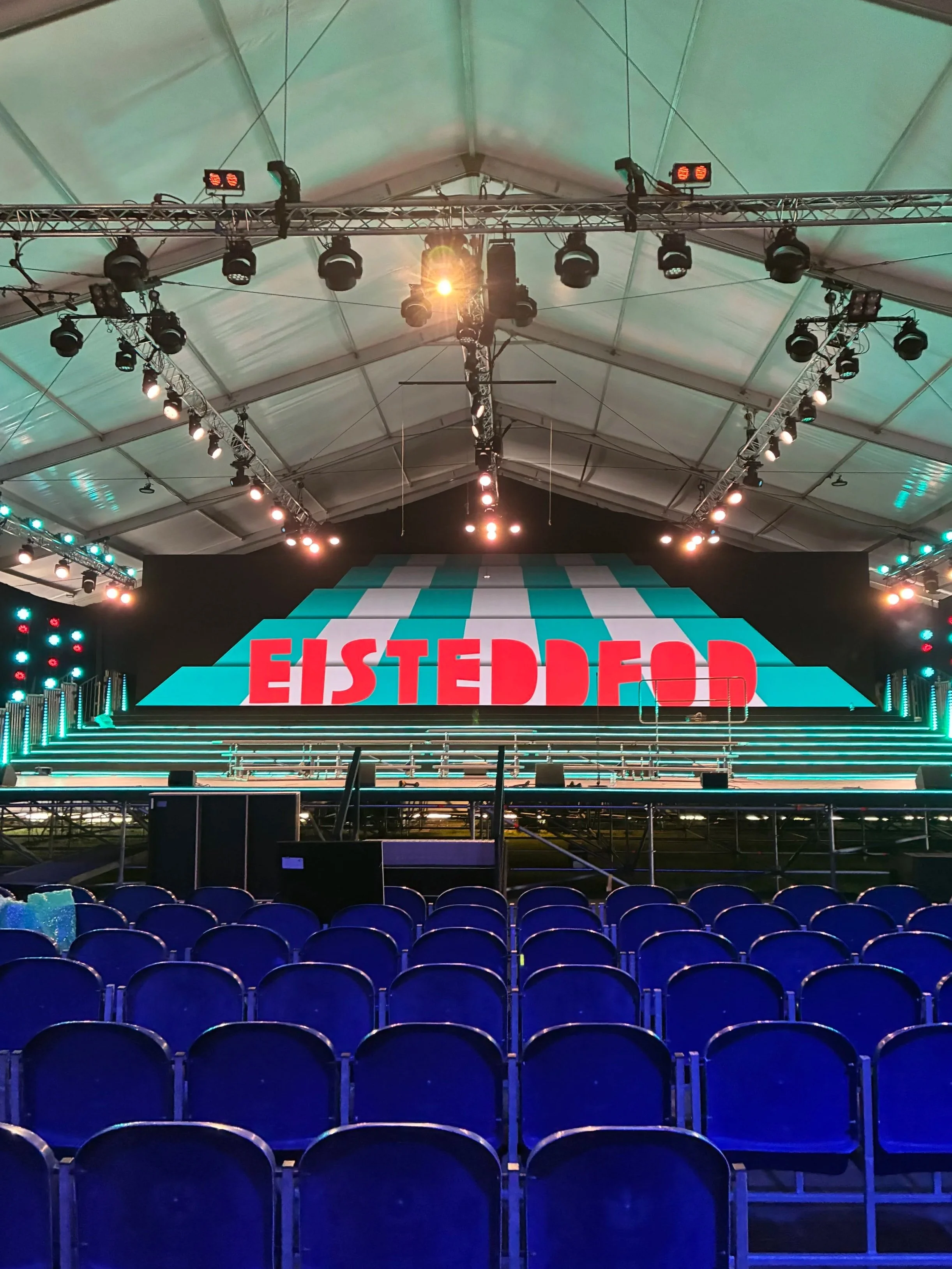
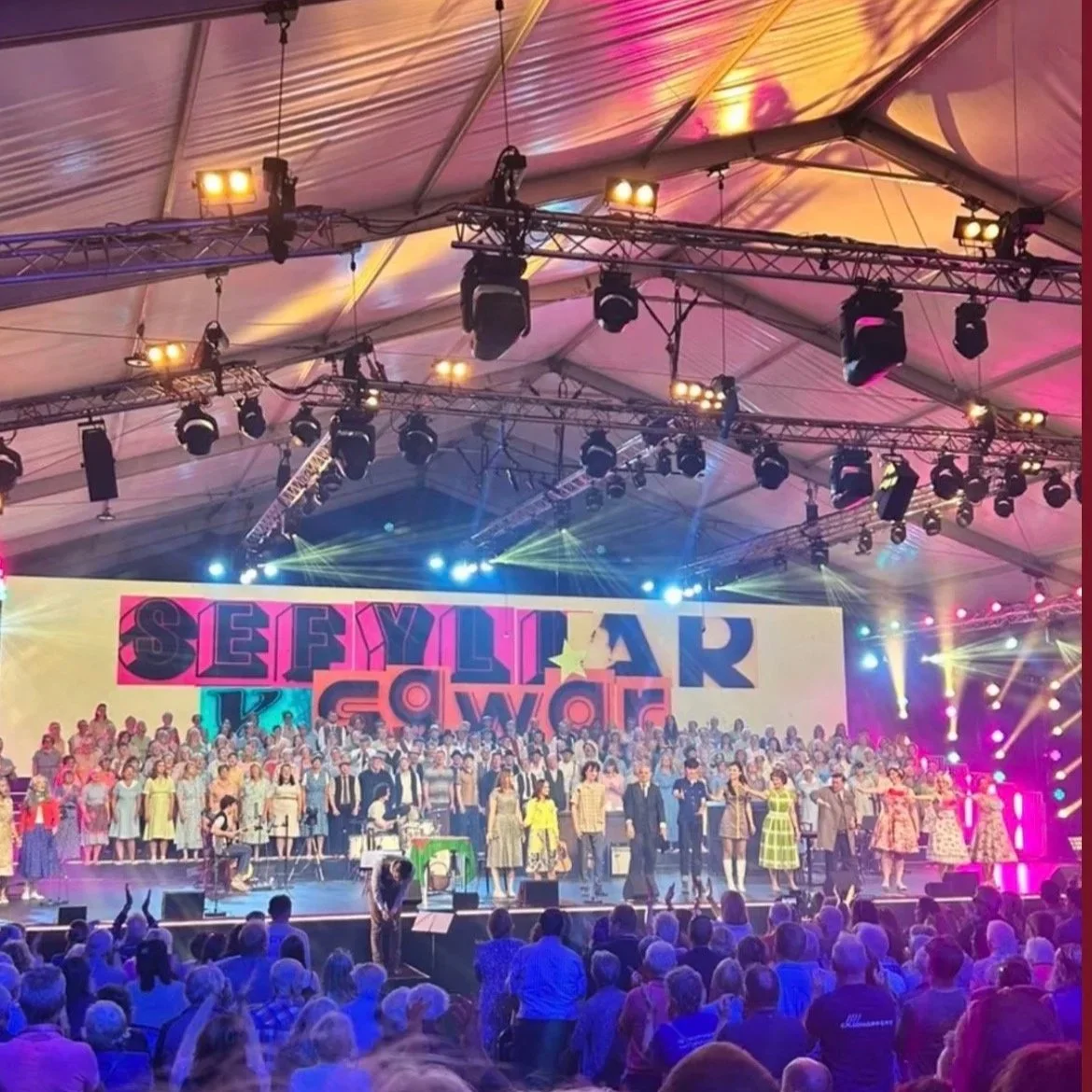
Working with AB Acoustics my 2 weeks at eisteddfod was full of challenging situations, interesting set ups and quick changeovers with interesting instrumentation. I was a Monitor engineer for the first week in the Pafiliwn for the challenging theatre show Sefyll Ar y Sgwar and the Iconic Gymanfa Ganu. both available to watch on BBC iplayer now.
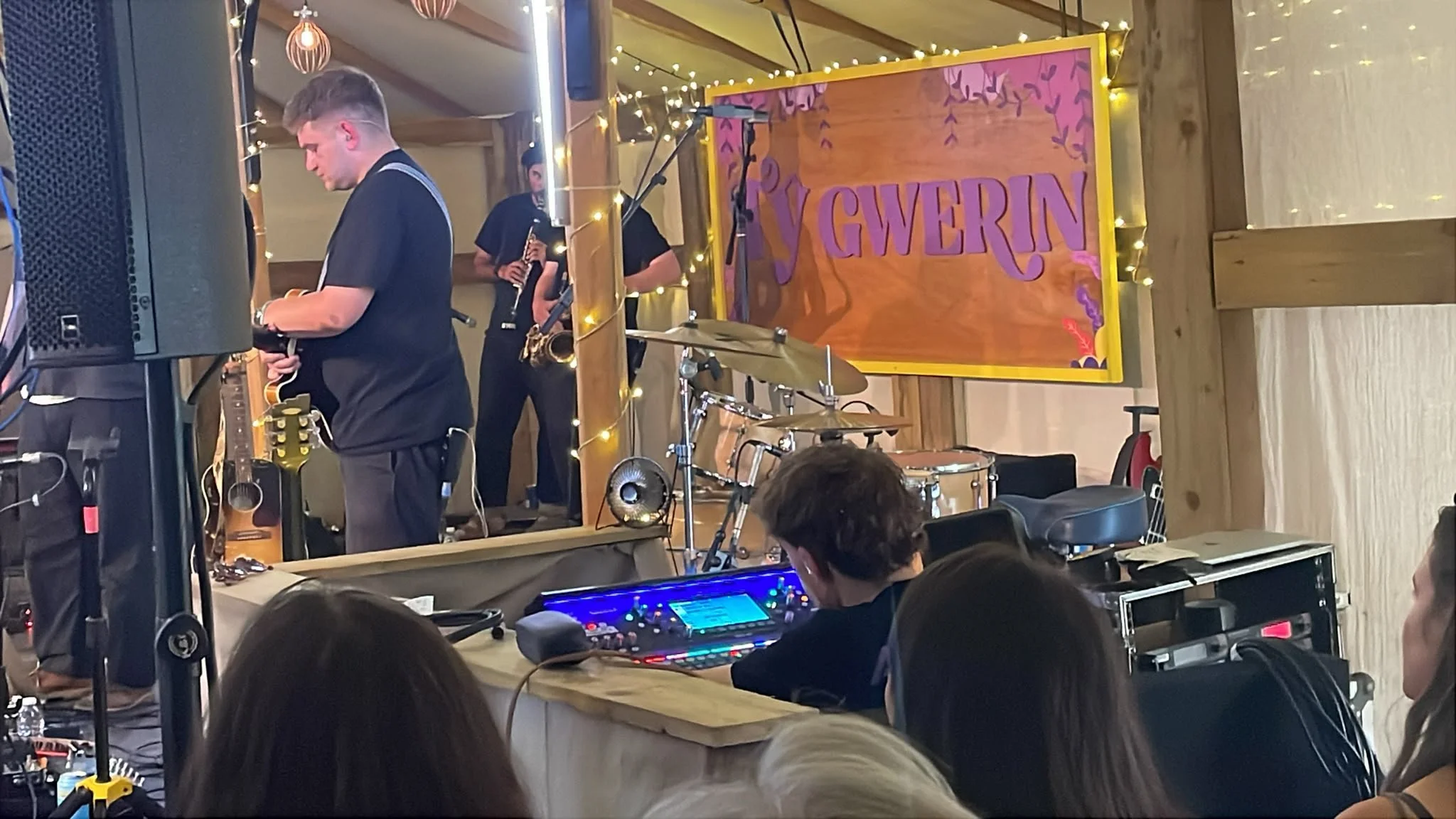
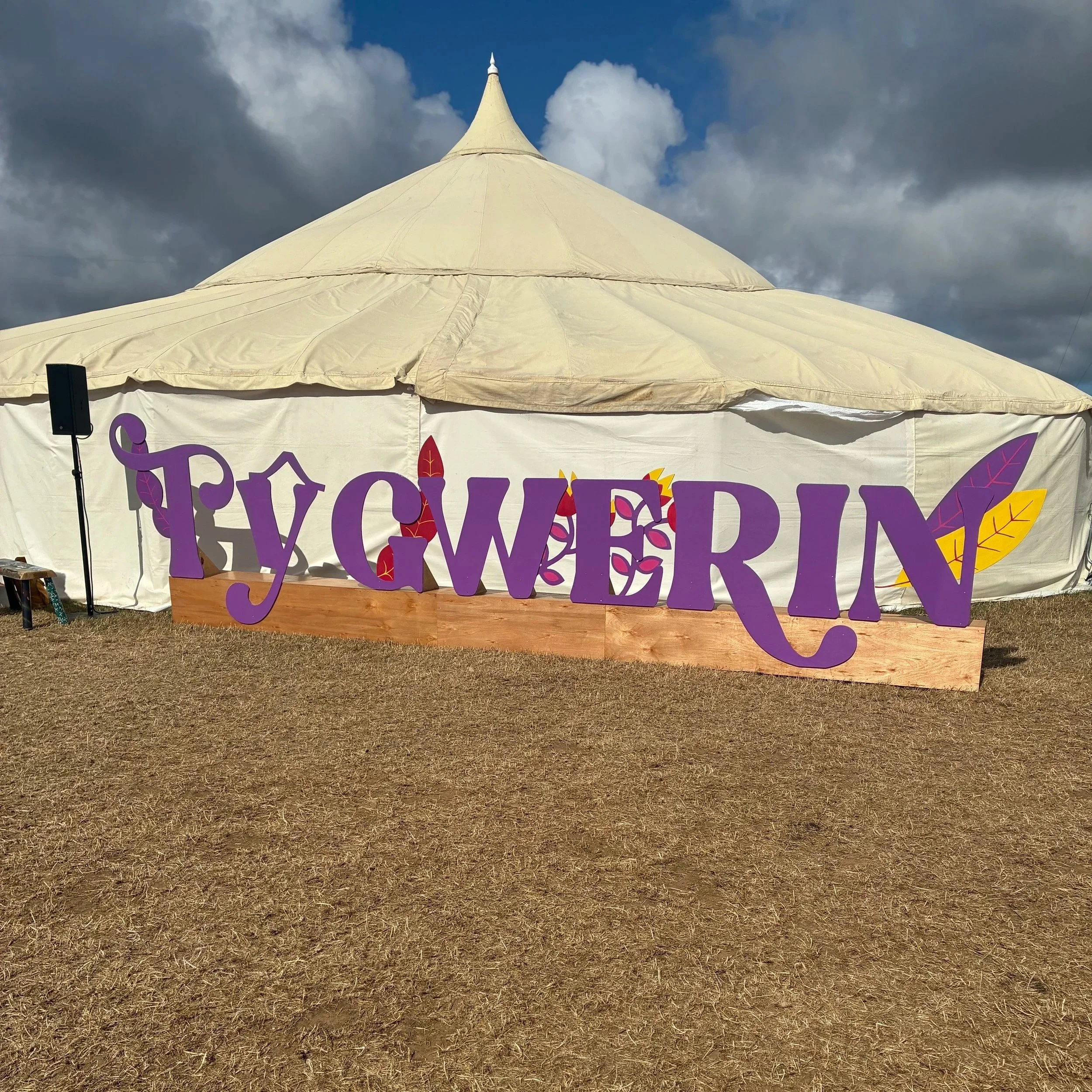
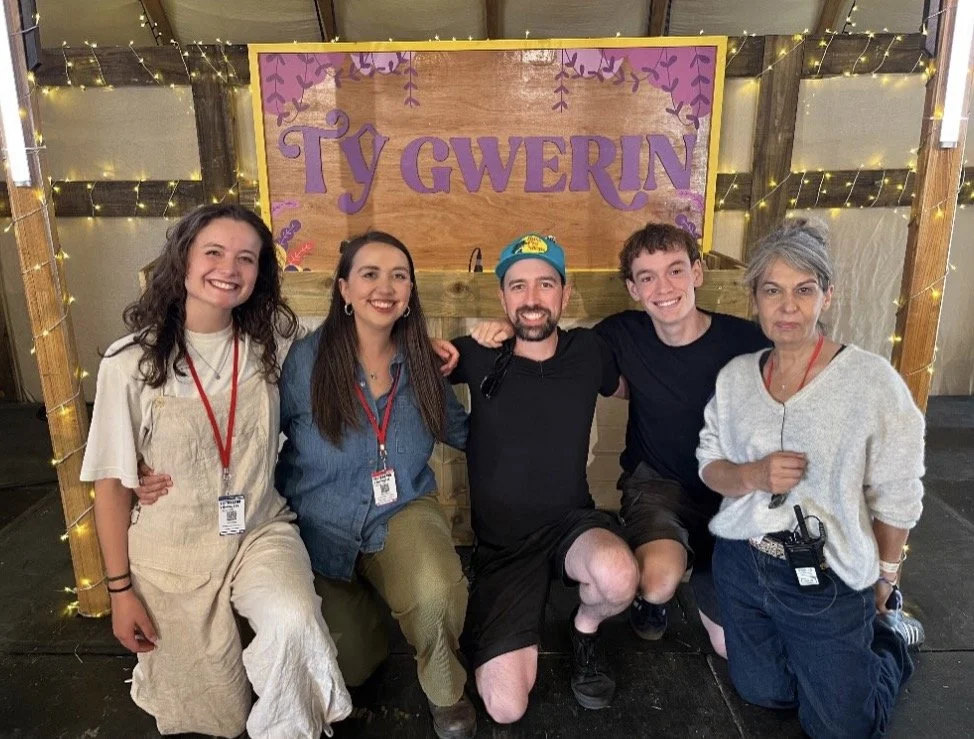
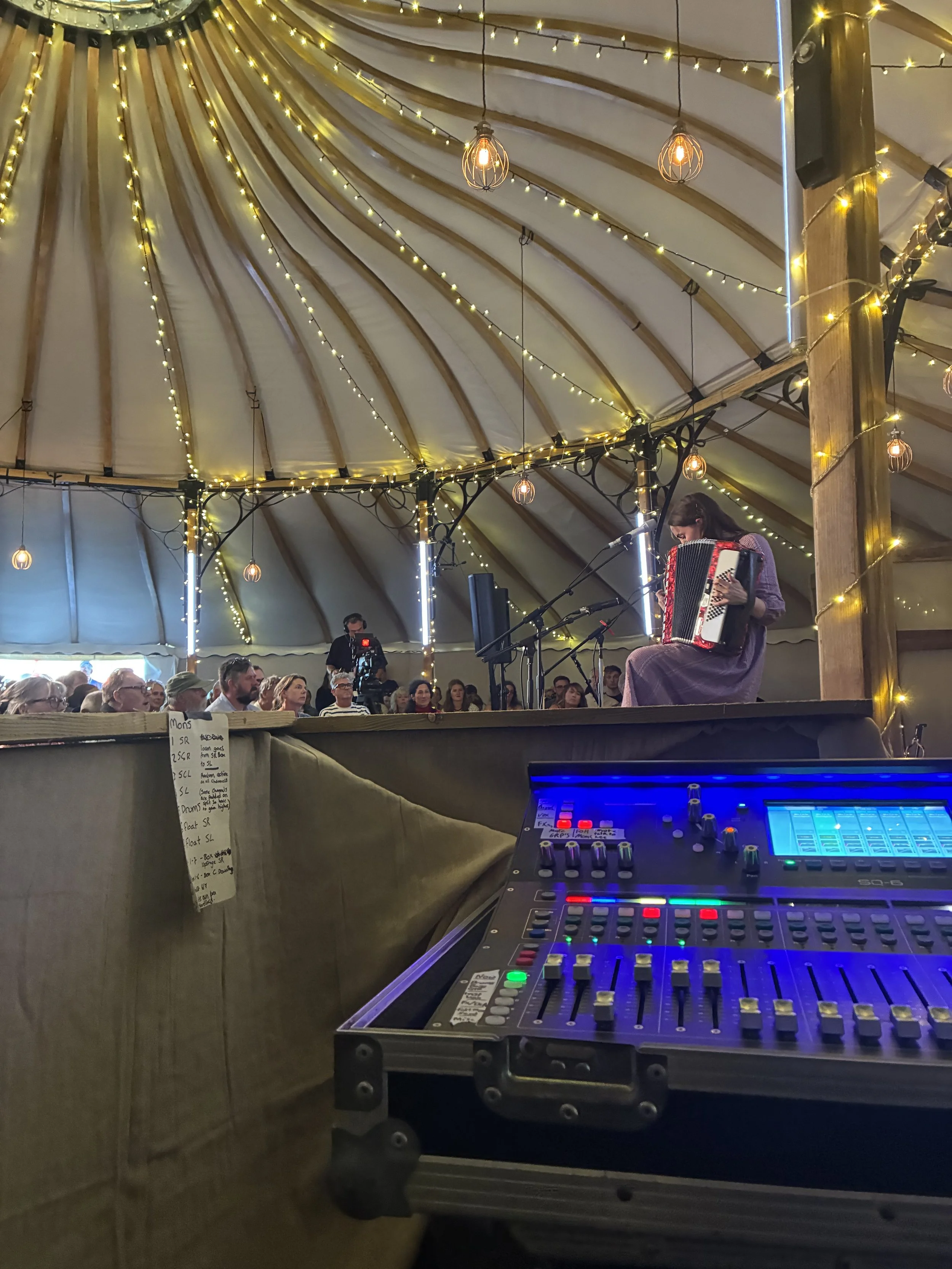
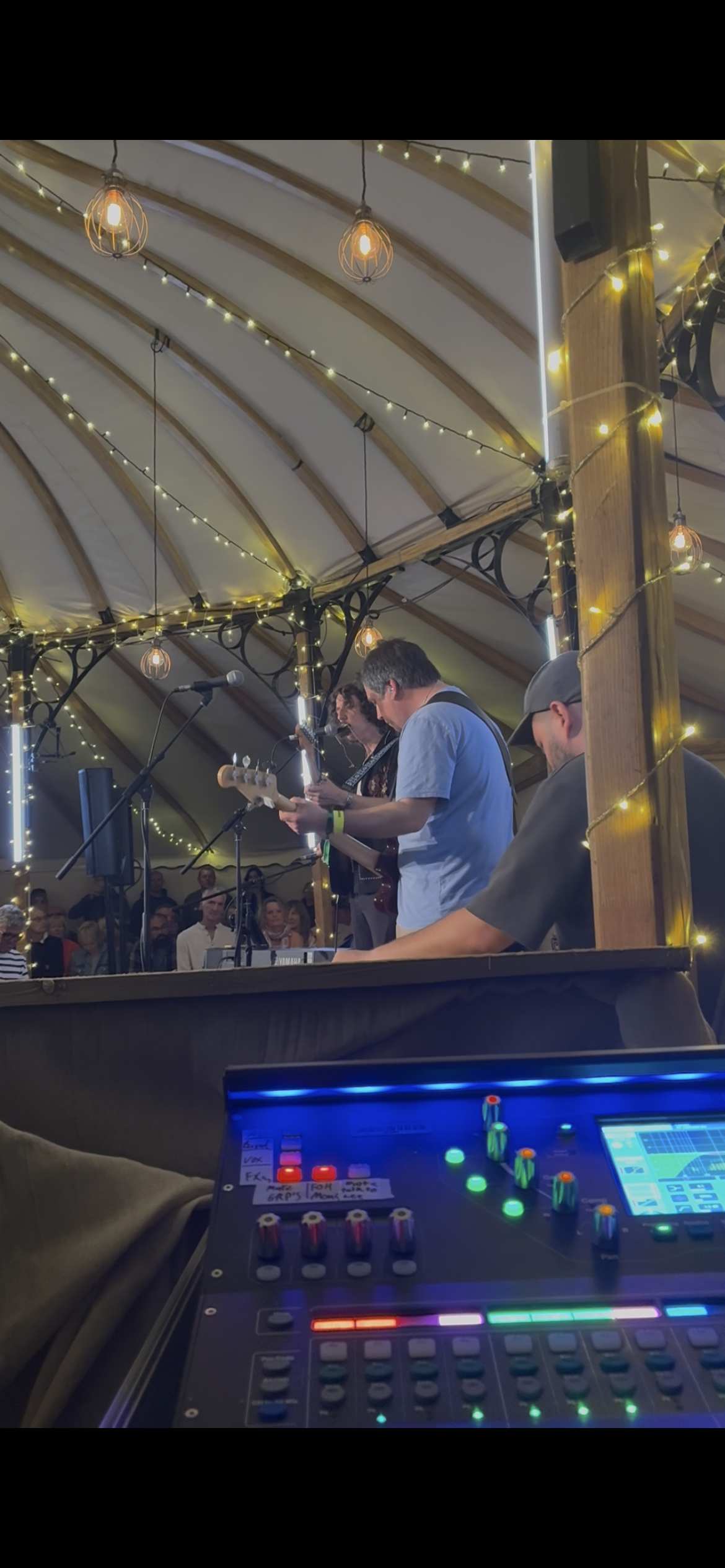
I then moved to Tŷ Gwerin which was the festivals folk tent that was extremely popular on monitors. from harps to accordions to 3 different types of flute we had it all on the stage and between 2 audio engineers we got every band sounding great in tight changeovers and difficult environments.
Read more Below -
Sefyll Ar Y Sgwar
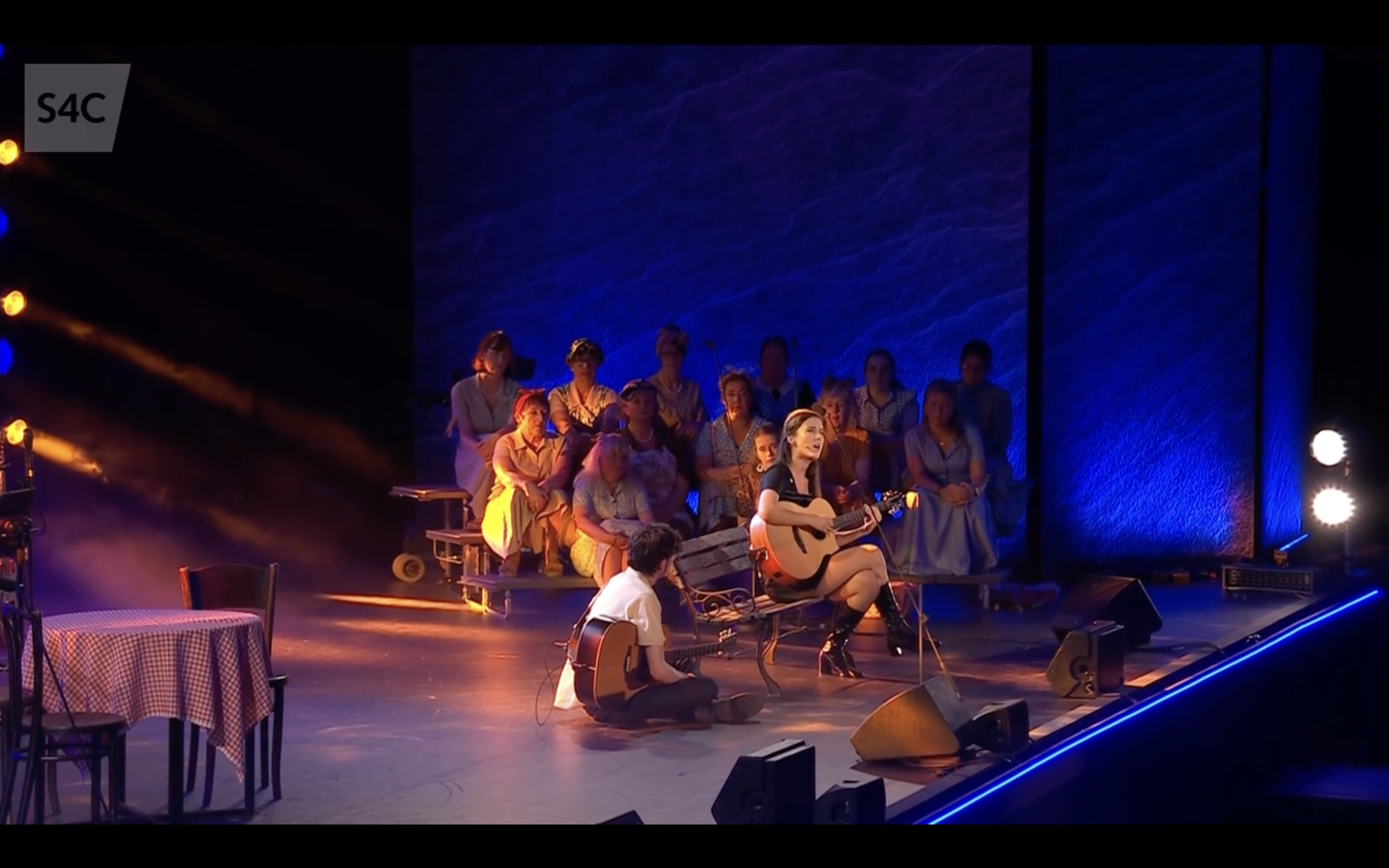
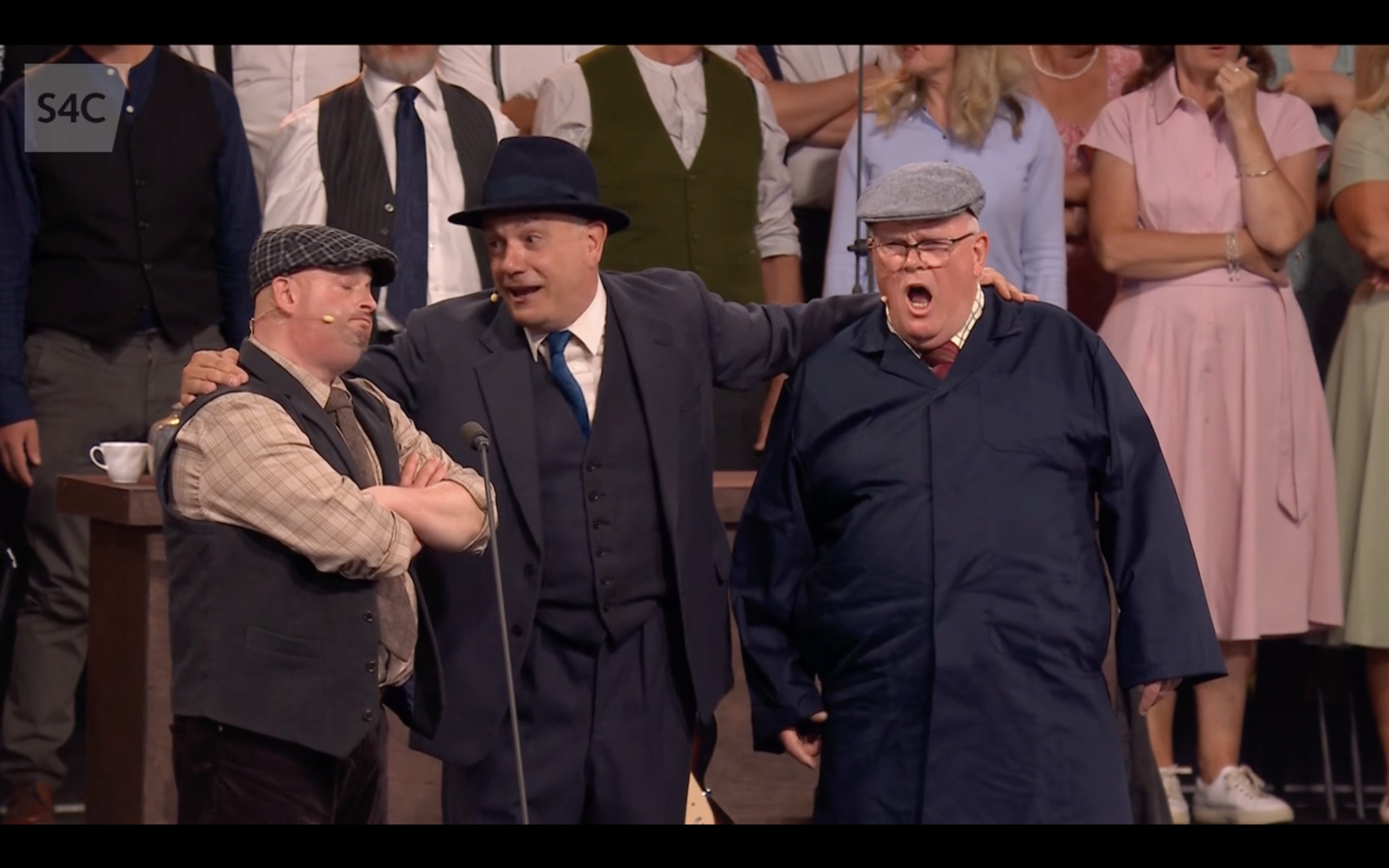
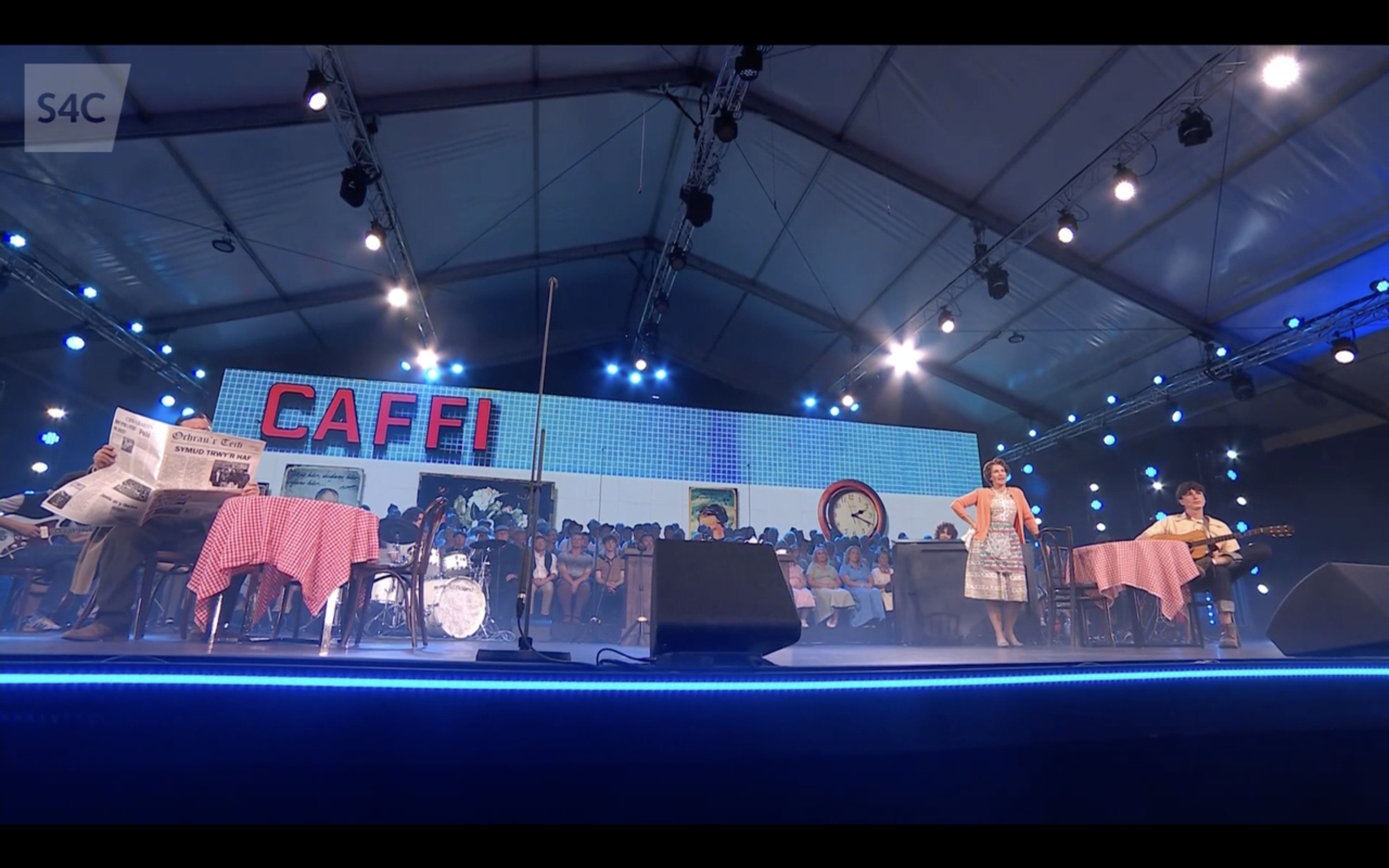
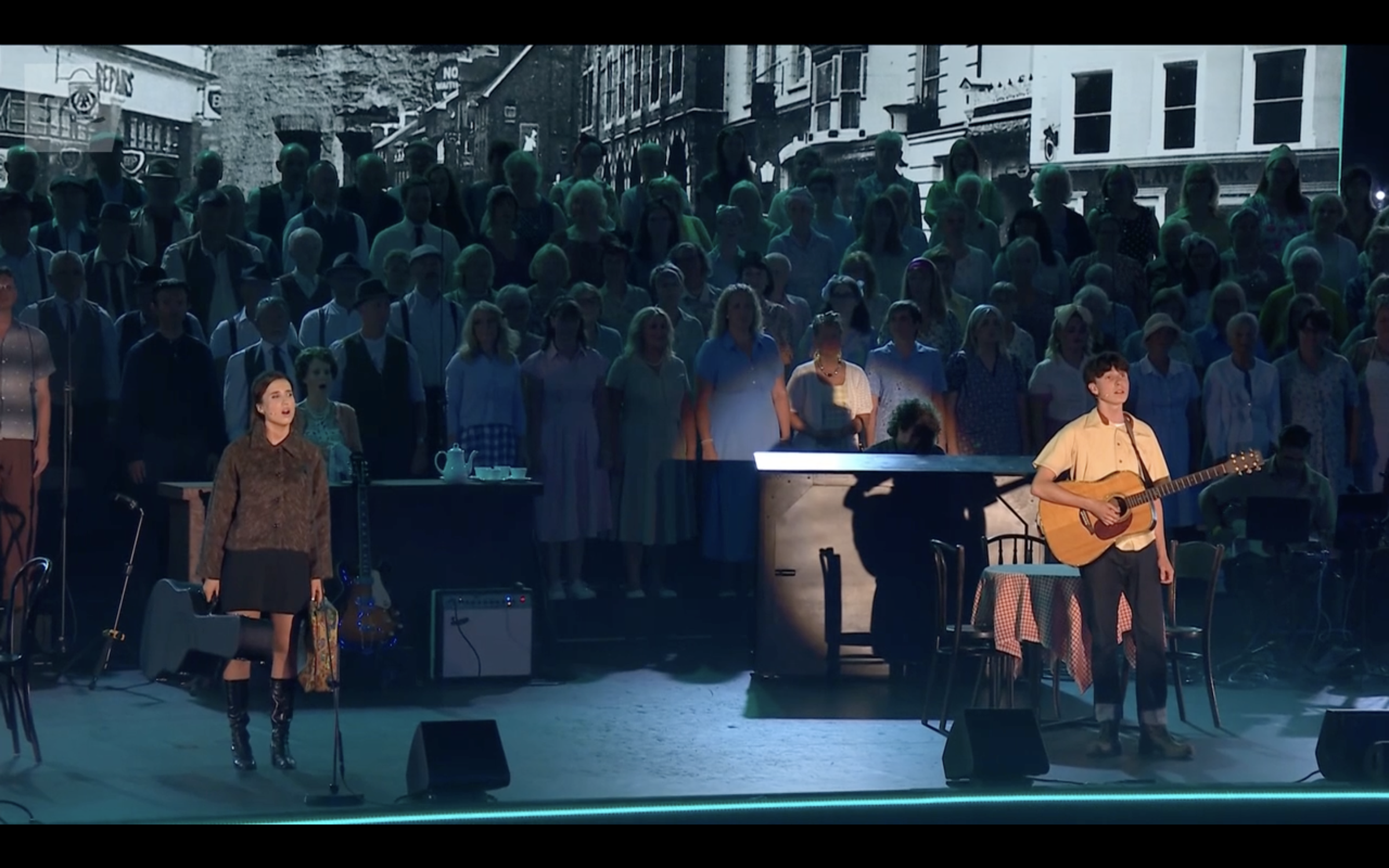
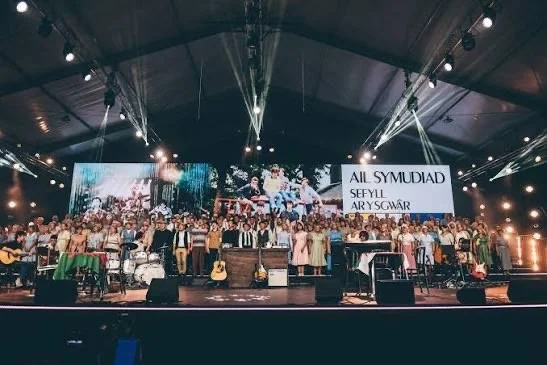
The Theatre show about the iconic band and story of Ail Symudiad a welsh Language band from Aberteifi that was performed twice in the Pafiliwn. With only 1 and a half days of rehearsals it was a tough job to create a well balanced monitor mix per scene in 2 days and understand the complexity of theatre audio it was also my first time working in conjunction with the BBC who were filming all the events on the stage for the whole week.
having never done a theatre production before this was a big learning curve for me but I believe I created an extremely coherent well balanced mix per scene for the performers that allowed them to perform at their best.
this was an extremely challenging Job for multiple reasons, only having 2 days of rehearsals before the first show was the least of my worries, this show features 8 DPA 6066 omni headsets, 3 acoustic guitars and 3 in the band on stage, a 100 Person choir behind the cast and a resonate tent. and looking after 15 monitor mixes that had to consistently change per scene.
for a cast that aren’t using In Ear Monitoring this becomes an extremely tough job to ensure you get enough Gain Before Feedback and a good coverage on stage for the cast to hear their vocals throughout no matter their position on stage. while monitoring the Bands IEM mix, and the choirs monitors so they can hear the Band and cast to cue in correctly. quickly after the first day I realised that 6 EAW MW15 wedges weren’t going to cut it on a stage this deep and wide therefore I linked LM 8’s to fill the gaps between the wedges standing on their side so they’d throw further up the stage, I also propped the MW15’s with black cases to allow them to cover a deeper area.
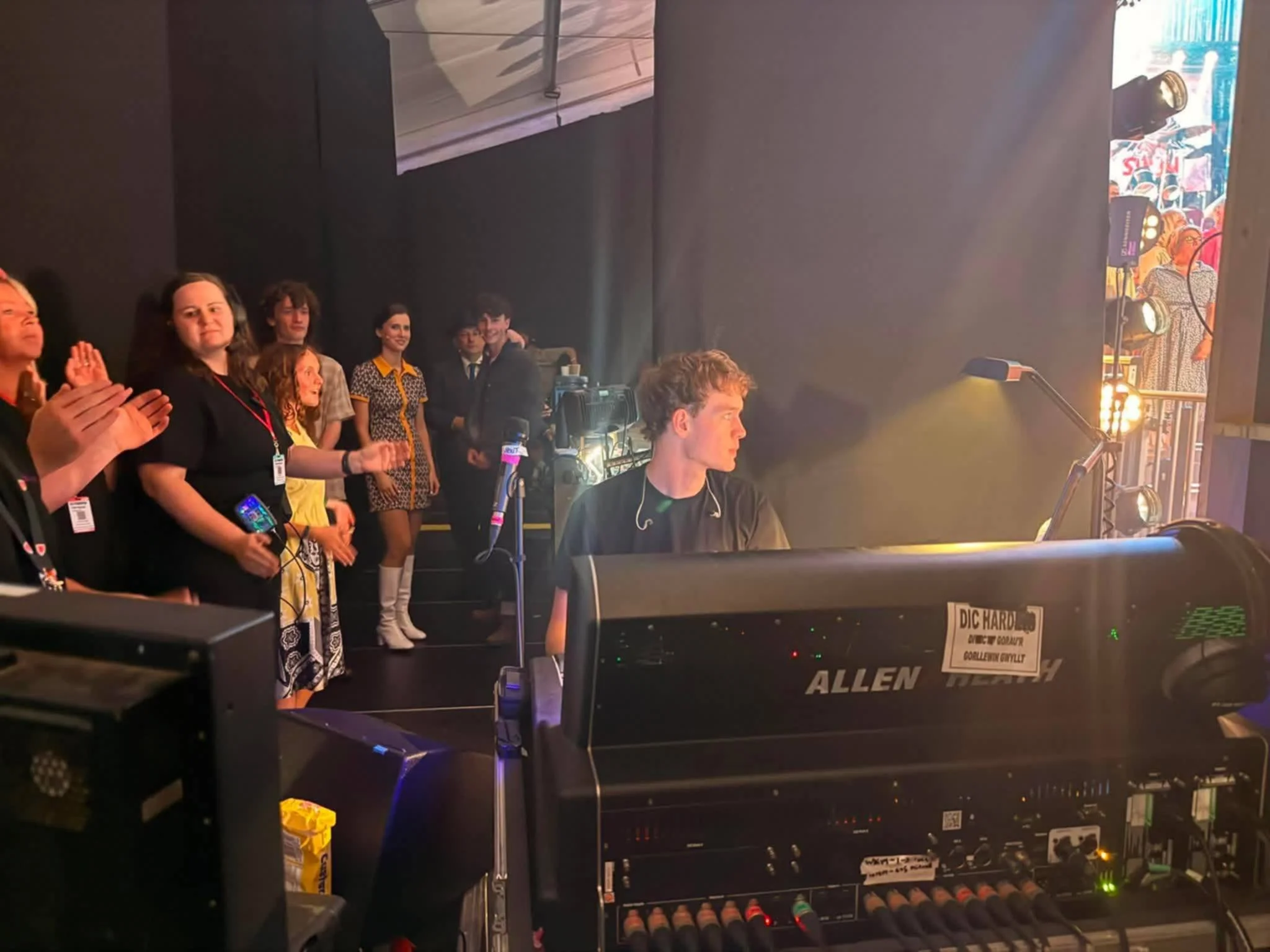
I approached this job differently to how I would approach a gig, with the BBC filming every act on the stage keeping all cables, and audio equipment lowkey and hidden was essential and very tough in an already challenging environment. I spent more time on each individual wedge to ensure it was tuned efficiently and without losing any clarity. I did this by utilising GEQ on my AUX’s and testing it in different situations for example stood in front of it, getting the headset near it and combining acoustic guitars and headsets. Especially in a monitor position where I did not have a line of sight to stage and had to rely on the Broadcast screen and my notes to ensure the correct wedges were playing the correct mix.
quickly I realised that traditional tuning methods weren’t going to cut it so I utilised the Dlives extreme processing power and inserted a DYN8 dynamic EQ on each Aux, Headset and Acoustic Guitar channel. this may sound like a lot but the resonation, bleed, volume of the stage and sensitivity of the Microphones used required extremely surgical and methodical anti-feedback methods to ensure the show remained feedback free while ensuring the performers could hear themselves. I also used a compressor on the casts mics to catch any sharp peaks and transients that might cause unwanted feedback, with the source expander that helped reduce bleed created tight dialogue channels that did not bleed into the wedges.
I also utilised the scenes function on certain scenes that caused me issues for example a scene where the lead 2 characters are sat in front of the wedge playing a very quiet finger picked song on the acoustic guitar.
in the end I managed an extremely coherent 2 shows with no feedback issues or monitoring issues for the cast and completed a successful show for all.
Tŷ Gwerin
Moving on from The Pafiliwn I went to the folk tent of the festival where I mixed an array of bands from traditional welsh folk music competitions to complex modern folk bands.
Highlights were mixing welsh language album of the year Dafydd Owain and welsh folk hero Cowbois rhos Bottwnog and Mari Matthias a’i fand.
this was an extremely fun and challenging tent with tight changeovers on a small stage with interesting instrumentation and I thoroughly enjoyed it.